Apple’s AI Overhaul and the Growing Skepticism of the "Generated" World
Today’s AI landscape is defined by a striking contrast: while tech giants are doubling down on integrating artificial intelligence into the very fabric of our operating systems, the actual experience of living with AI is becoming increasingly cluttered. From Apple’s ambitious roadmap for Siri to the “garbage” content currently flooding our video feeds, we are witnessing a pivot point where the novelty of generative tools is meeting the hard reality of user fatigue and skepticism from the industry’s old guard.
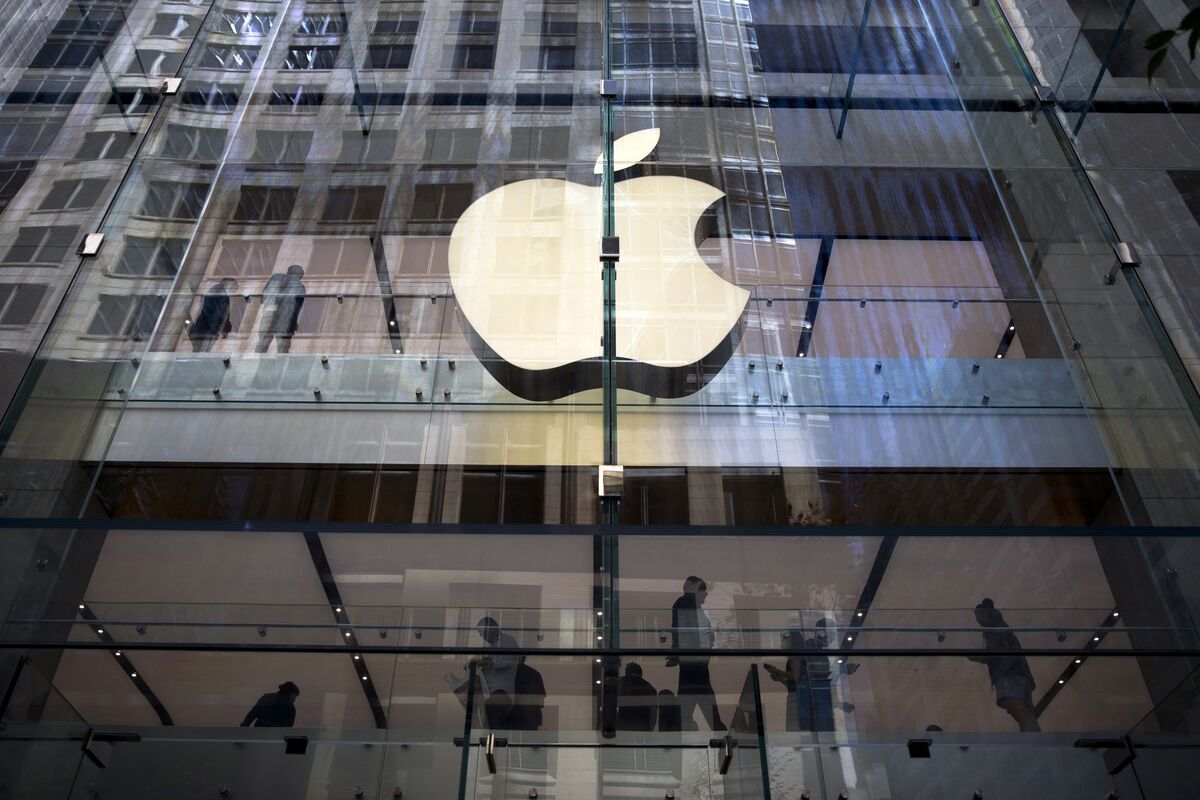
The biggest movement today comes from Cupertino, where Apple is reportedly preparing for a massive reboot of Siri in iOS 27. According to reports, we can expect a standalone Siri app and a dedicated “Ask Siri” button designed to function across the entire software ecosystem. This represents a fundamental shift in how we interact with our devices, moving Siri from a voice-activated helper to a central, omnipresent intelligence. We are already seeing the precursors to this transition with the release of iOS 26.4, which introduced AI-generated playlists in Apple Music. Instead of browsing genres, users can now simply describe a mood or a scenario and let the algorithms do the curation. It is clear that Apple is no longer just “adding” AI features; they are rebuilding the user experience around them.
However, this rush toward automation isn’t without its casualties. As tools to create content become more accessible, the platforms we rely on for information are beginning to creak under the weight of synthetic media. A new report highlights how YouTube is currently being swamped by engagement-bait and AI-generated videos, leading users to seek out “extreme” ways to clean their feeds and return to human-centric content. Even the way we navigate the web is being modified by these systems, with Google now using AI to rewrite title links on search result pages. While intended to be more “relevant,” it further distances the user from the original human intent of the author, replacing a direct headline with a machine-calculated summary.
This tension between corporate excitement and user reality was perhaps best summarized today by Apple co-founder Steve Wozniak. In a reflective interview, Wozniak expressed deep skepticism regarding AI’s ability to truly replace humans, admitting he is “disappointed a lot” by the current state of the technology. His perspective serves as a grounded counter-narrative to the hype: just because we can automate a playlist or a search result doesn’t mean we’ve improved the experience of being a human on the internet.
As we look toward a future where every button we press might trigger an “Ask Siri” prompt, the industry must reckon with the noise it is creating. We are building incredibly powerful engines of generation, but if the end result is a YouTube feed we have to “clean” and search results we can’t quite trust, we may find that more AI isn’t always the answer to a better digital life.